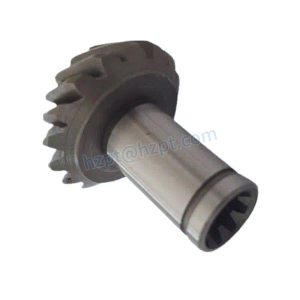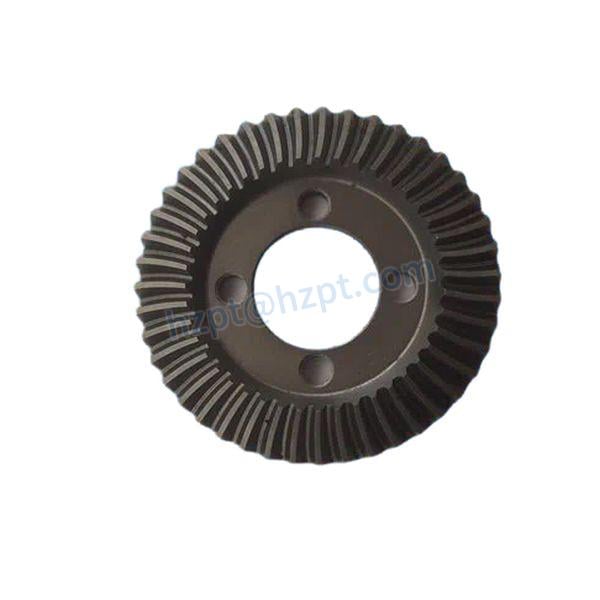
Medical Bevel Gears — High-Precision Components for Critical Healthcare Applications
As one of the bevel gears manufacturers, suppliers, and exporters of mechanical products, We offer bevel gears and many other products.
Please get in touch with us for details.
Mail:[email protected]
Studies show that mechanical failure in medical devices contributes to over 60% of equipment downtime in surgical and diagnostic environments — a statistic that underscores exactly why component selection matters. Medical bevel gears sit at the core of surgical robots, imaging equipment, and precision infusion devices, yet they are often specified without the diligence their role demands. Australia Ever-Power, located at 27 Harley Crescent, Condell Park NSW 2200, supplies ISO 9001-certified medical bevel gears from Ø6 mm upward, with module ranges M0.15–M2.2, to manufacturers across Sydney, Melbourne, Brisbane, and beyond. This guide covers everything procurement engineers and design teams need to make an informed decision.
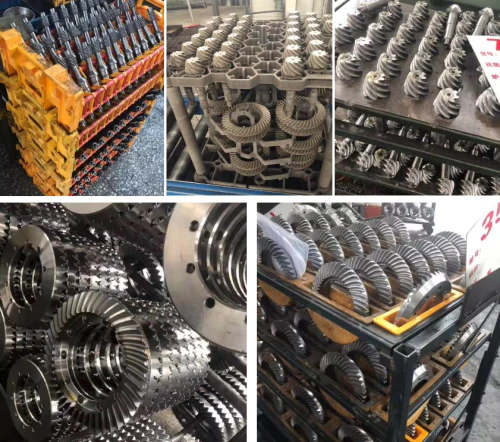
What Is a Medical Bevel Gear?
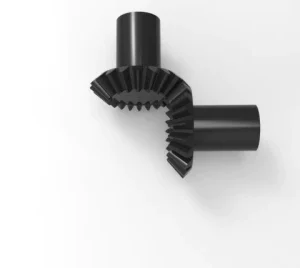
A medical bevel gear is a precision-machined gear in which the pitch surfaces are conical, allowing power and motion to be transmitted between two shafts whose axes intersect — typically at 90°, though other angles are possible. Unlike industrial bevel gears, medical-grade versions are manufactured to tighter tolerances (ISO Grade 6 or finer), use biocompatible or corrosion-resistant materials, and must withstand repeated sterilisation cycles without dimensional degradation.
The defining characteristic of a medical bevel gear is its ability to redirect torque within a compact envelope — a critical property in miniaturised surgical instruments, motorised prosthetics, and laboratory automation equipment where space and weight are at a premium.
Two principal manufacturing methods exist: the Gleason method (spherical tooth form, widely adopted globally) and the Klingelnberg method (palliod tooth form, common in European precision engineering). Australia Ever-Power standardises on the Gleason method, which offers superior load distribution and is compatible with the broadest range of mating gear standards used by Australian medical device manufacturers.
Types of Medical Bevel Gears: Which Configuration Suits Your Device?
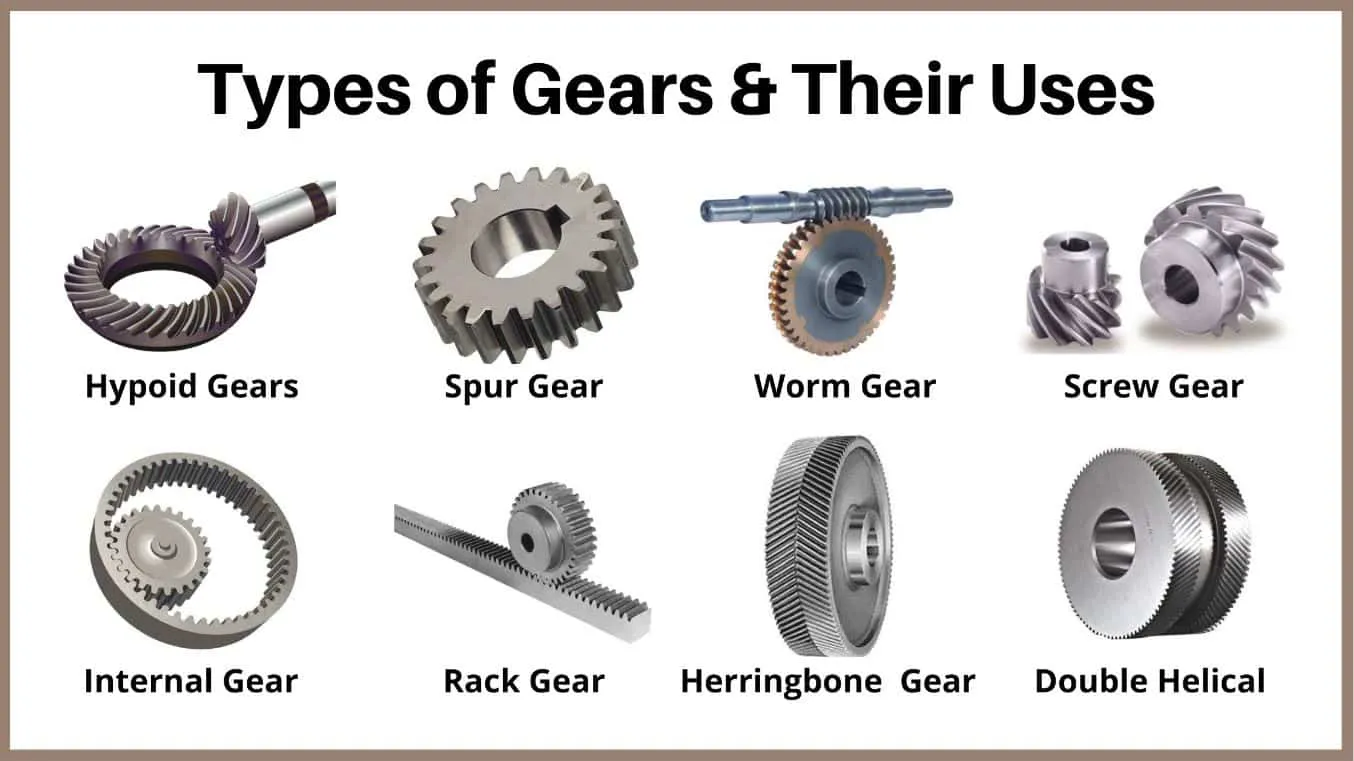
Medical device engineers encounter four principal bevel gear configurations. Each carries distinct performance trade-offs relevant to noise, load capacity, and assembly complexity.
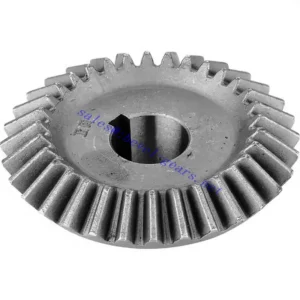
Straight Bevel Gear
Teeth run straight along the cone surface. Simpler to manufacture and cost-effective. Suitable for low-speed, low-noise applications such as hand-held surgical tools.
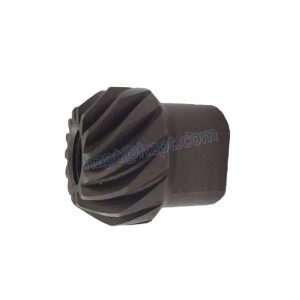
Spiral Bevel Gear
Curved oblique teeth ensure gradual engagement, reducing noise by up to 40% versus straight types. Preferred for robotic surgical arms and motorised imaging gantries.
Zerol Bevel Gear
Curved teeth with zero helix angle at the midpoint. Combines the smoothness of spiral with the thrust load characteristics of straight bevel — used in precision diagnostics equipment.
Hypoid Bevel Gear
Offset shaft axes enable compact drive arrangements. Delivers higher gear ratios in a smaller footprint — increasingly specified in powered prosthetics and exoskeleton drives.
Key Specifications & Parameters of Medical Bevel Gears
Specifying a medical bevel gear correctly requires understanding each parameter's role in device performance, regulatory compliance, and service life. The table below summarises the full specification profile for Australia Ever-Power's medical bevel gear range.
Material Selection for Medical Applications
Material choice governs biocompatibility, sterilisation resistance, and gear life. The comparison below helps Australian medical device engineers narrow down options quickly.
How to Select the Right Medical Bevel Gear for Your Application
Selecting the wrong gear grade or material can compromise device reliability and TGA registration. Follow this structured process to reach a well-reasoned specification.
Define the Operating Environment
Establish whether the gear will contact body fluids or sterile fields. Applications requiring autoclave sterilisation demand 316L stainless or medical-grade titanium; non-contact drives can use engineered polymers. Note the ambient temperature range, humidity, and any chemical exposure (cleaning agents, saline).
Calculate Torque, Speed & Gear Ratio
Use the Lewis equation as a starting point for tooth bending stress: σ = Wt / (F × m × Y), where Wt is tangential load, F is face width, m is module, and Y is the Lewis form factor. Apply a safety factor of ≥ 2.0 for life-critical medical mechanisms. Confirm the required gear ratio and whether it must be achieved in a single bevel stage or combined with a planetary stage.
Select Module & Tooth Count
Smaller modules (M0.15–M0.5) suit miniaturised devices with diameters under 12 mm. Larger modules (M1.0–M2.2) handle higher torques. The tooth count ratio directly sets the gear ratio. As a rule, avoid fewer than 12 teeth on the pinion to prevent undercutting at standard pressure angles.
Choose Accuracy Grade
Most precision medical applications require ISO Grade 6 or better. Higher accuracy grades reduce vibration-induced measurement error in diagnostic equipment. For surgical robotics operating above 3,000 rpm, specify ISO Grade 5. Each step up in grade typically increases machining cost by 25–40%.
Verify Regulatory Compliance
Australian medical devices must comply with the TGA's Essential Principles under the Therapeutic Goods Act 1989. Confirm the gear supplier provides a material traceability certificate, dimensional inspection report (CMM), and, where applicable, RoHS/REACH compliance data. Australia Ever-Power provides full documentation packages on request.
Request a Sample & Validate
Prototype validation is non-negotiable in medical device development. Australia Ever-Power offers sample lead times of approximately 3–5 business days from existing stock configurations, with custom-machined prototypes available within 7–14 days. Run accelerated life testing to the cycle count required by your design verification plan before locking in production specs.
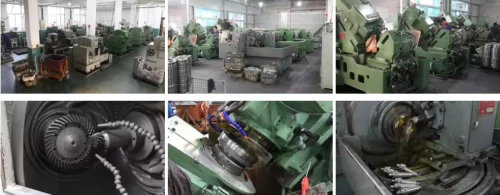
Manufacturing Process: From Raw Material to Precision Medical Component
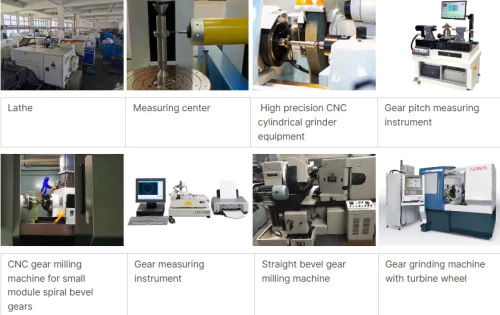
Understanding the production chain helps procurement teams assess quality assurance at each stage. Every medical bevel gear from Australia Ever-Power passes through the following controlled process.
① Raw Material Inspection
Mill certificates verified against ASTM / ISO specifications. Hardness and chemical composition tested before machining begins.
② CNC Turning & Blank Preparation
5-axis CNC lathes produce gear blanks to ±0.005 mm tolerances. Datum faces established for repeatable gear-cutting setup.
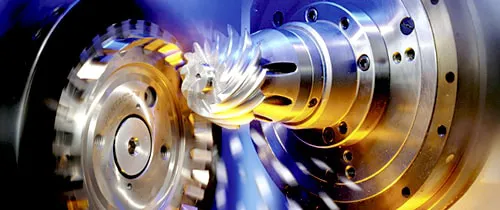
③ Gleason Bevel Gear Cutting
Dedicated Gleason-format gear generators produce tooth profiles to the specified module and pressure angle. Achieves ISO Grade 6 accuracy consistently.
④ Heat Treatment
Process selected by material: carburising & quenching for steel; nitriding for stainless; POM skips heat treatment. Hardness validated by Rockwell test post-treatment.
⑤ Lapping & Surface Finishing
Tooth flanks lapped to Ra ≤ 0.8 µm. Reduces noise and extends lubricant film life in sealed mechanisms.
⑥ CMM Dimensional Inspection
100% inspection for medical-grade batches using coordinate measuring machines. Full dimensional report supplied with each shipment.
⑦ Vacuum Packing & Dispatch
Gears vacuum-sealed in anti-static trays to prevent micro-corrosion during sea or air freight. DHL and UPS express services to Sydney, Melbourne, and Brisbane.
Applications in Australian Medical Device Manufacturing
Australia's medical technology sector generated over AUD 12 billion in revenue in 2024, with surgical robotics and diagnostic imaging among the fastest-growing segments. Medical device OEMs and contract manufacturers across Sydney, Melbourne, Brisbane, and Adelaide rely on precision bevel gears in the following platforms:
🤖 Surgical Robotics
Minimally invasive robotic platforms require bevel gears with backlash < 3 arc-minutes, low noise, and a service life exceeding 5 million cycles. Spiral bevel gears in 316L stainless are the standard choice.
🩻 CT & MRI Gantries
Imaging gantries demand near-silent gear drives to avoid acoustic artefacts during scanning. Spiral bevel gears with lapped tooth surfaces reduce noise levels by 35–40% compared with straight bevel alternatives.
💉 Infusion & Syringe Pumps
Compact bevel gear sets redirect the motor axis within infusion pump housings. POM or brass gears with module M0.3–M0.5 offer the necessary combination of low friction, low noise, and chemical resistance to saline solutions.
🦿 Powered Prosthetics & Exoskeletons
Hypoid bevel gears provide the high torque-to-weight ratio required in motorised prosthetic joints. Aluminium alloy construction reduces limb weight while delivering gear efficiencies above 95%.
🔬 Laboratory Automation
High-throughput PCR machines and automated liquid handling stations use miniature bevel gears (M0.15–M0.3) to redirect motion in multi-axis sample pipetting heads. POM material ensures chemical resistance to laboratory reagents.
🦷 Dental Equipment
Dental handpiece drives and chair positioning systems use small-diameter bevel gears in brass or stainless. Low torque requirements allow straight bevel geometry, keeping costs manageable for high-volume dental OEMs in Melbourne and Sydney.
How to Maintain Medical Bevel Gears for Maximum Service Life
Proper maintenance extends service life by 30–50% and reduces unplanned downtime in critical medical devices. Key maintenance considerations include:
- Lubrication: For steel gears, use ISO VG 150–220 gear oil or equivalent medical-grade grease. Sealed polymer gears are typically self-lubricating. Re-grease steel sets every 500 operating hours or per the device manufacturer's schedule.
- Backlash Inspection: Check meshing backlash at scheduled service intervals. Allowable backlash for medical bevel gears is typically 0.02–0.06 mm depending on module. Excessive backlash indicates tooth wear or bearing deterioration.
- Sterilisation Cycles: Gears exposed to autoclave cycles (134°C, 3 bar) should be inspected for dimensional change after every 500 sterilisation cycles. 316L stainless maintains dimensional stability; brass may experience slight surface oxidation.
- Tooth Surface Inspection: At each planned maintenance, inspect tooth flanks under 10× magnification for pitting, scoring, or micro-cracking. Any pitting > 1% of tooth surface area warrants immediate gear replacement.
- Bearing Condition: Bevel gear performance is closely tied to bearing preload. Confirm bearing pre-load is within OEM specification at each major service, as bearing wear can alter tooth contact patterns and accelerate flank damage.
Market Price Comparison: Medical Bevel Gear Sourcing Options for Australian Buyers
Cost transparency matters when building a BOM for medical device production. The table below provides a general orientation — actual pricing depends on quantity, material, and specifications.
Note: Prices are indicative only and subject to material costs and order volume. Contact Australia Ever-Power for a firm quotation.
Sustainability & Regulatory Compliance for Australian Medical Manufacturers
Sustainability is increasingly a tender evaluation criterion for Australian hospital procurement. Australia Ever-Power's manufacturing processes align with the following compliance frameworks relevant to Australian medical device engineers:
Quality management system — mandatory baseline for medical component suppliers.
Restricts hazardous substances including lead, mercury, and cadmium. Required for equipment sold in Australia and most export markets.
Chemical safety documentation for materials used in gears — essential for EU export pathways from Australian device manufacturers.
Australian regulatory standard for medical device components. Material traceability and dimensional records support design history file (DHF) requirements.
Supply chain due diligence documentation available for tin, tungsten, tantalum, and gold content in alloy materials.
Why Australian Medical Manufacturers Choose Australia Ever-Power
Australia Ever-Power operates as a specialist supplier — not a general catalogue distributor. Based at 27 Harley Crescent, Condell Park NSW 2200, the team combines regional technical support with access to a precision manufacturing network certified to ISO 9001:2015. Here is what differentiates the offer for Australian medical device procurement teams:
Full OEM / ODM Capability
Submit drawings in any format (DXF, STEP, PDF). The engineering team reviews for manufacturability and provides DFM feedback within 48 hours.
Sample-First Policy
Prototype samples available from stock in 3–5 days. Custom-machined samples within 7–14 days. No minimum order on samples — a practical approach that de-risks design validation.
Full Documentation Package
Each shipment includes material certificates, CMM inspection report, hardness test record, and RoHS / REACH declarations — everything a DHF audit requires.
Express Delivery Across Australia
DHL and UPS express services reach Sydney, Melbourne, Brisbane, Perth, and Adelaide within 3–7 business days from dispatch. Urgent orders prioritised on request.
Quality Guarantee
Any confirmed quality non-conformance is resolved at no cost — replacement or full refund. Vacuum packing minimises transit damage to < 0.5% of shipment volume.
Australian-Based Technical Support
Engineering queries answered in Australian business hours. No time-zone friction. Local knowledge of TGA requirements and Australian Standards (AS/NZS).
What Australian Medical Device Engineers Say
"We've been sourcing M0.3 stainless bevel gears for our endoscopy drive units for two years. Dimensional consistency batch-to-batch is excellent — our incoming QC rejection rate dropped from 6% with our previous supplier to under 0.3%. The CMM reports arrived with every shipment, which our DHF auditor was very pleased with."
"Our prosthetics team needed a hypoid bevel set in aluminium alloy with a very specific offset ratio. Australia Ever-Power came back with a DFM review within 24 hours and had prototypes on our bench in Melbourne within 10 days. That kind of turnaround is genuinely rare in the medical gear supply chain."
"Price competitiveness was our initial driver — we were paying nearly 3× more for equivalent European gears. Quality held up across 18 months and 40+ shipments. The only area for improvement is slightly faster response on quote revisions, though the team is always professional and knowledgeable."
"We manufacture laboratory automation equipment in Adelaide and needed POM bevel gears with very tight tooth profile tolerances for a pipetting head. Australia Ever-Power achieved ISO Grade 6 in POM — something two other suppliers told us was not achievable. Production runs have been flawless for eight months."
Frequently Asked Questions — Medical Bevel Gears
Customer Success: Case Studies from Australian Medical Device Firms
Case Study: Surgical Robotic Arm Drive Redesign — Sydney OEM
Challenge: A Sydney-based surgical robotics manufacturer experienced premature backlash accumulation in wrist-joint bevel gear sets after approximately 800,000 cycles — well short of the 3-million-cycle design target.
Solution: Australia Ever-Power's engineering team recommended upgrading from ISO Grade 7 to Grade 6, switching from straight to spiral tooth geometry, and applying a nitriding surface treatment to achieve a case hardness of 58–62 HRC. Module was retained at M0.4.
Result: Accelerated life testing confirmed the redesigned gear set surpassed 4.2 million cycles without measurable backlash increase — a 425% improvement over the original design. The client placed a recurring annual order for 12,000 gear sets.
Case Study: Weight Reduction in Active Prosthetic Knee — Melbourne Start-up
Challenge: A Melbourne prosthetics company needed to reduce knee-joint module weight by 35% without sacrificing the torque capacity of the existing steel bevel gear set.
Solution: Australia Ever-Power proposed a hypoid bevel gear pair in 7075-T6 aluminium alloy with hard-anodised tooth flanks, increasing face width by 15% to compensate for the lower material hardness. DFM analysis confirmed the arrangement met the torque requirement with a 2.5× safety factor.
Result: Achieved a 38% weight reduction versus the steel baseline. The product received TGA listing and entered commercial production within 14 months of the initial enquiry.
Ready to Source Precision Medical Bevel Gears in Australia?
Talk to the Australia Ever-Power team at 27 Harley Crescent, Condell Park NSW 2200. We serve medical device manufacturers across Sydney, Melbourne, Brisbane, Perth, and Adelaide with ISO-certified, custom-machined bevel gears — backed by full documentation and express delivery.