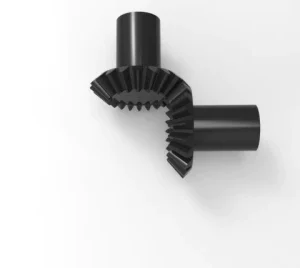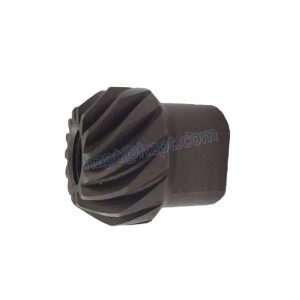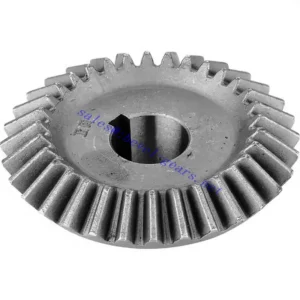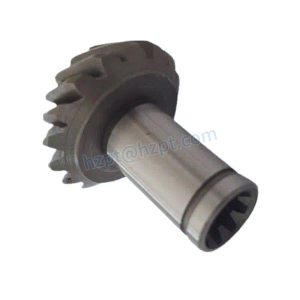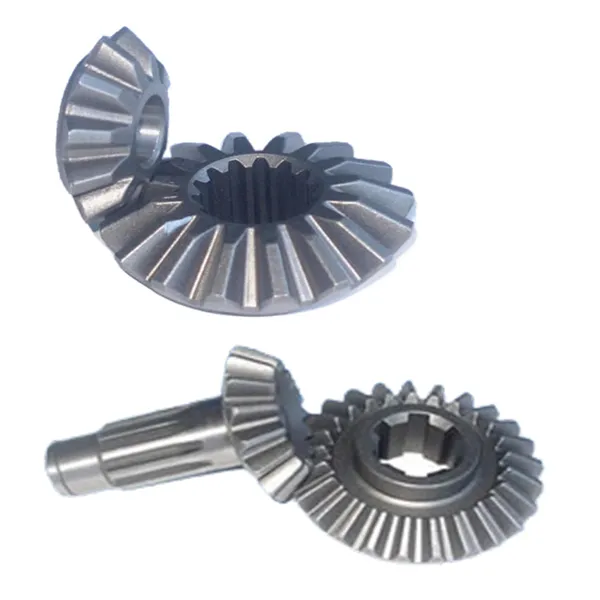
Forging Bevel Gears
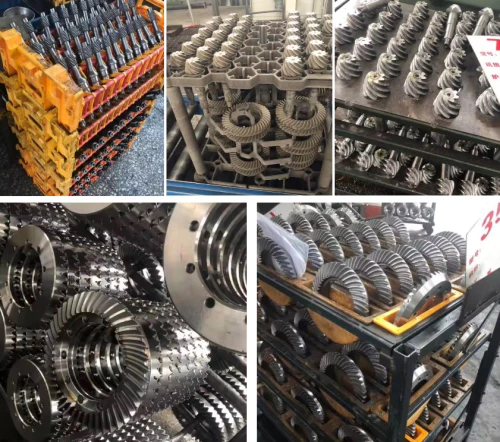
As one of the bevel gears manufacturers, suppliers, and exporters of mechanical products, We offer bevel gears and many other products.
Please get in touch with us for details.
Mail:[email protected]
Gear tooth failure in drivetrain components costs Australian mining, agricultural, and automotive manufacturers an estimated $1.8 billion per year in unplanned downtime and replacements — and a significant share of those failures trace back to undersized or poorly specified gear blanks. Forging bevel gears address the root cause: the forging process produces a favourable grain flow pattern that increases tooth root fatigue strength by 25–40% compared to machined-from-bar equivalents, while enabling larger dimensions and lower finished weight. Australia Ever-Power, operating from 27 Harley Crescent, Condell Park NSW 2200, supplies precision forged bevel gears — straight and spiral variants — to OEM and maintenance customers across Sydney, Melbourne, Brisbane, Perth, and Adelaide, with full ISO certification and matched-pair quality documentation.
What Is a Forging Bevel Gear?
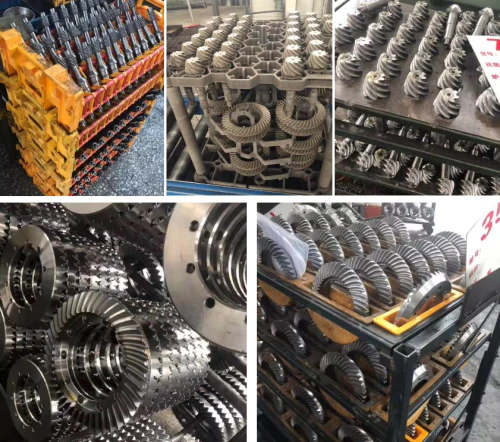
A forging bevel gear is a bevel gear — either straight-tooth or spiral-tooth — in which the gear blank is produced by a forging process rather than machined directly from bar stock or cast. During forging, the steel is shaped under high compressive force, either with heat (hot forging) or without (cold forging), which aligns the metal's grain structure along the direction of primary stress in the finished tooth. The result is a component with superior mechanical properties compared to a machined-from-billet equivalent of identical nominal geometry.
Forging bevel gears include both forging straight bevel gears (also referred to as miter gears when the ratio is 1:1 and shaft angles are 90°) and forging spiral bevel gears. Both types can be manufactured by hot forging, cold forging, or compound (warm) forging methods depending on the size, material, and tolerance requirements of the finished part.
The defining advantage of forged bevel gears over machined alternatives is not simply higher strength — it is the combination of higher strength and lower weight in larger finished dimensions. For Australian OEM suppliers building vehicles, agricultural machinery, and wind turbine systems where weight, load, and service life are all design constraints simultaneously, forging is frequently the only route to satisfying all three requirements within the available envelope.
Forging bevel gears are characterised by: high transmission efficiency (96–98% per stage for spiral variants), smooth operation, low noise, and resistance to corrosion and fatigue. They are widely adopted across saloon cars, passenger vehicles, heavy-duty and light-duty trucks, engineering machinery, agricultural machinery, and wind power generation — sectors that together represent a substantial portion of Australian manufacturing output.
Types of Forging Bevel Gears: Straight, Spiral, and Forging Method
Forging bevel gears are categorised along two dimensions: tooth geometry (straight versus spiral) and forging method (hot, cold, or compound). Each combination produces different mechanical properties and suits different production volumes and tolerance requirements.
By Tooth Geometry
Forging Straight Bevel Gear
Teeth run straight along the cone surface. Simpler tooth geometry allows for more economical forging tooling. When tooth count is equal and shafts are at 90°, these are also referred to as miter gears. Suited to moderate-speed drives with lower noise requirements. Common in agricultural machinery and construction equipment across Queensland and New South Wales.
Forging Spiral Bevel Gear
Helical curved teeth provide progressive load engagement, reducing noise and peak tooth stress. Combined with forging's superior grain structure, spiral forged gears achieve the highest load capacity and service life of any right-angle bevel type. Standard in vehicle differentials, wind turbine nacelles, and high-duty speed reducers used by Australian manufacturers.
By Forging Method
Forged vs Machined-from-Bar Bevel Gears: Key Differences
Key Specifications & Parameters of Forging Bevel Gears
The specification range below covers forging bevel gears supplied through Australia Ever-Power. Non-standard dimensions, custom tooth profiles, and special materials are all available through OEM/ODM with engineering review within 48 business hours.
Material Options for Forging Bevel Gears
How to Select the Right Forging Bevel Gear for Your Application
Selecting a forging bevel gear involves more variables than a standard off-the-shelf gear purchase. Working through these steps systematically prevents the specification errors that lead to premature failure — the most common complaint from Australian plant engineers upgrading older equipment.
Define Application Requirements Precisely
Establish transmitted torque (Nm), input speed (rpm), gear ratio, operating temperature range, environmental conditions (moisture, chemicals, grit), and required service life in hours or cycles. For Australian mining and agricultural applications, service factor requirements are typically 1.5–2.5 due to shock loading. Applications in coastal environments — Sydney, Brisbane, Darwin — require explicit corrosion resistance specification.
Choose Straight or Spiral Tooth Profile
Straight bevel gears are simpler and less expensive to forge and finish. Choose them for lower-speed drives (below 5 m/s pitch line velocity) where noise is not a primary concern. Spiral bevel gears provide progressive tooth engagement, lower noise, higher load capacity, and better efficiency (96–98% per stage) — specify them for vehicle drivetrains, wind turbines, and any application running above 3 m/s or where drivetrain noise affects operator comfort or productivity.
Select the Forging Method Based on Volume and Tolerance
Hot forging suits large-batch OEM production (typically 1,000+ pieces per run) where post-machining is acceptable. Cold forging is preferred for smaller, precision gears where near-net-shape accuracy reduces machining time. Compound forging offers a balance — widely used for mid-size automotive and agricultural gears in the 50–150 mm OD range. Australia Ever-Power's engineering team can recommend the optimal forging method for your specific volume and dimensional requirements.
Select Material and Heat Treatment
For vehicle differentials and high-torque mining drives, 20CrMnTi with carburising and quenching to 58–62 HRC is the standard specification — it provides the highest tooth surface hardness over a tough, shock-resistant core. For wind turbine applications where fatigue life over 20+ years is the design target, 42CrMo with nitriding is frequently specified. Consult ISO 6336 or AGMA 2001 for formal material-life calculations before finalising the specification.
Verify Pitch Angle and Tooth Contact Geometry
The pitch angle of mating bevel gears must match precisely — the industry standard is 20° pressure angle, but OEM applications may use 14.5° or 22.5°. For spiral bevel pairs, confirm that both gears use the same manufacturing method (Gleason or Klingelnberg) and the same spiral hand direction for the specific gear member. Mismatched pitch angles or spiral hand directions produce incorrect tooth contact and result in rapid failure regardless of material quality.
Assess Load-Carrying Capacity with Safety Margin
The gear's rated load capacity must exceed the maximum operating load including all transient peaks — not just the mean transmitted torque. For Australian construction machinery and agricultural equipment subject to unpredictable ground conditions, specify a minimum safety factor of 1.5× peak load. Document the load assumptions in the design specification so the gear supplier can verify that the selected module, material, and heat treatment combination is adequate before production begins.
Specify Quality Testing and Documentation Requirements
For regulated applications — agricultural machinery sold under Australian Standards, defence-adjacent equipment, or wind turbines under AEMC and Clean Energy Regulator frameworks — specify the required quality documentation upfront: non-destructive testing report, dimensional inspection (CMM), hardness test record, and material traceability certificate. Australia Ever-Power provides this documentation package as standard for forging bevel gear orders; specify requirements on the purchase order to ensure no delays at delivery.
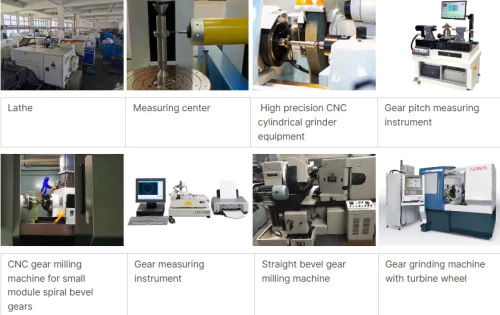
The Forging Bevel Gear Manufacturing Process: Stage by Stage
The manufacturing sequence for precision forging bevel gears is more complex than for standard machined gears — and that complexity is where the performance advantage is built in. Each stage contributes a measurable improvement to the finished component's fatigue strength, dimensional accuracy, or surface integrity.
① Billet Selection & Verification
Steel billet cut to calculated weight. Chemical composition verified against mill certificate. Metallurgical inclusion rating assessed — cleanliness is critical for fatigue life in high-cycle automotive and wind applications.
② Heating (Hot / Warm Forging)
Billet heated to 900–1,250°C (hot) or 650–900°C (warm) in controlled atmosphere furnace to minimise decarburisation. Temperature uniformity monitored throughout the cross-section.
③ Die Forging
Hydraulic or mechanical press forces the billet into the precision die. Grain flow aligns with tooth contour during this step — the primary source of the 25–40% fatigue strength improvement. Flash trimmed immediately after forging.
④ Annealing
Forged blanks annealed to relieve residual stress and reduce hardness to machinable levels. Normalising used for carbon steels; full annealing for higher-alloy grades.
⑤ CNC Machining & Gear Cutting
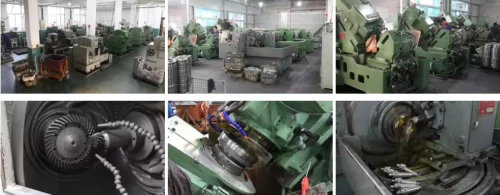
CNC turning produces final blank dimensions. Gleason generators cut the bevel tooth profile to specified module, pressure angle, and spiral angle. Pre-shave or pre-grind stock left on tooth flanks for post-hardening finishing.
⑥ Heat Treatment
Carburising + quenching, nitriding, or flame hardening applied per specification. Surface hardness and case depth verified by Rockwell test. Heat treatment curve provided with documentation package.
⑦ Grinding and Finishing
Post-hardening tooth grinding restores profile accuracy to final DIN grade. Lapping performed for spiral bevel pairs to optimise tooth contact pattern. Surface finish Ra ≤ 0.8 µm on tooth flanks for precision grades.
⑧ Inspection and Documentation
Non-destructive testing (UT, MPI or dye penetrant), CMM dimensional check, hardness verification. Full QA documentation package issued. 100% inspection available for critical OEM orders.
Applications of Forging Bevel Gears in Australian Industry
Forging bevel gears are specified wherever load cycles are high, service life expectations are long, and the cost of drivetrain failure significantly exceeds the cost of the gear itself. Australian industries operating under these conditions include the following.
🚗 Automotive and Transport
Vehicle differentials in saloon cars, passenger vehicles, light and heavy-duty trucks, and SUVs use forged spiral bevel gears as the primary direction-change component. Australian automotive part distributors in Melbourne and Sydney supplying OEM replacement differentials specify forged sets to match OEM fatigue life ratings — machined-from-bar equivalents cannot reliably meet the 200,000+ km service life requirement.
⛏️ Mining and Construction
Mining equipment operating in the Pilbara, Hunter Valley, and Bowen Basin subjects drivetrain gears to extreme shock loads and abrasive environments. Forged bevel gears in 42CrMo with nitriding are the preferred specification for bucket wheel drives, crusher bevel heads, and construction machinery final drives — the forged grain structure providing the impact resistance that machined gears cannot match.
🌬️ Wind Power Generation
Australia's wind energy sector — with major installations in South Australia, Victoria, and Western Australia — demands forged bevel gear sets with certified 20-year fatigue life. Wind turbine nacelle gearboxes use large-diameter forged spiral bevel gears (typically M6–M12) in 42CrMo with nitriding, supported by full material traceability documentation required by Clean Energy Regulator compliance frameworks.
🚜 Agricultural Machinery
Tractors, combine harvesters, and irrigation pump drives used across Queensland, New South Wales, and Victoria rely on forged straight bevel gears in PTO drive trains and final drive axles. Agricultural gears must handle unpredictable shock loads from ground engagement while surviving corrosive conditions from fertiliser and chemical exposure — requirements that forging's grain structure and appropriate surface treatment satisfy more reliably than cast or machined alternatives.
⚓ Marine and Shipbuilding
Marine propulsion systems, steering mechanisms, and auxiliary machinery on vessels operating out of Australian ports — Sydney, Brisbane, Fremantle — require forged bevel gears in stainless steel or marine-grade alloy to resist saltwater corrosion while maintaining the high fatigue strength demanded by propulsion duty cycles. Australia Ever-Power supplies stainless forged sets with full marine certification documentation on request.
✈️ Aerospace and Defence
Aircraft engines, helicopter transmission systems, and navigation drive mechanisms use precision forged bevel gears where weight reduction, precision, and absolute reliability are non-negotiable. Australian defence contractors and aerospace MRO organisations specify forged gears with full NDT, material traceability, and first-article inspection reports — a documentation standard that Australia Ever-Power supplies as standard for precision OEM orders.
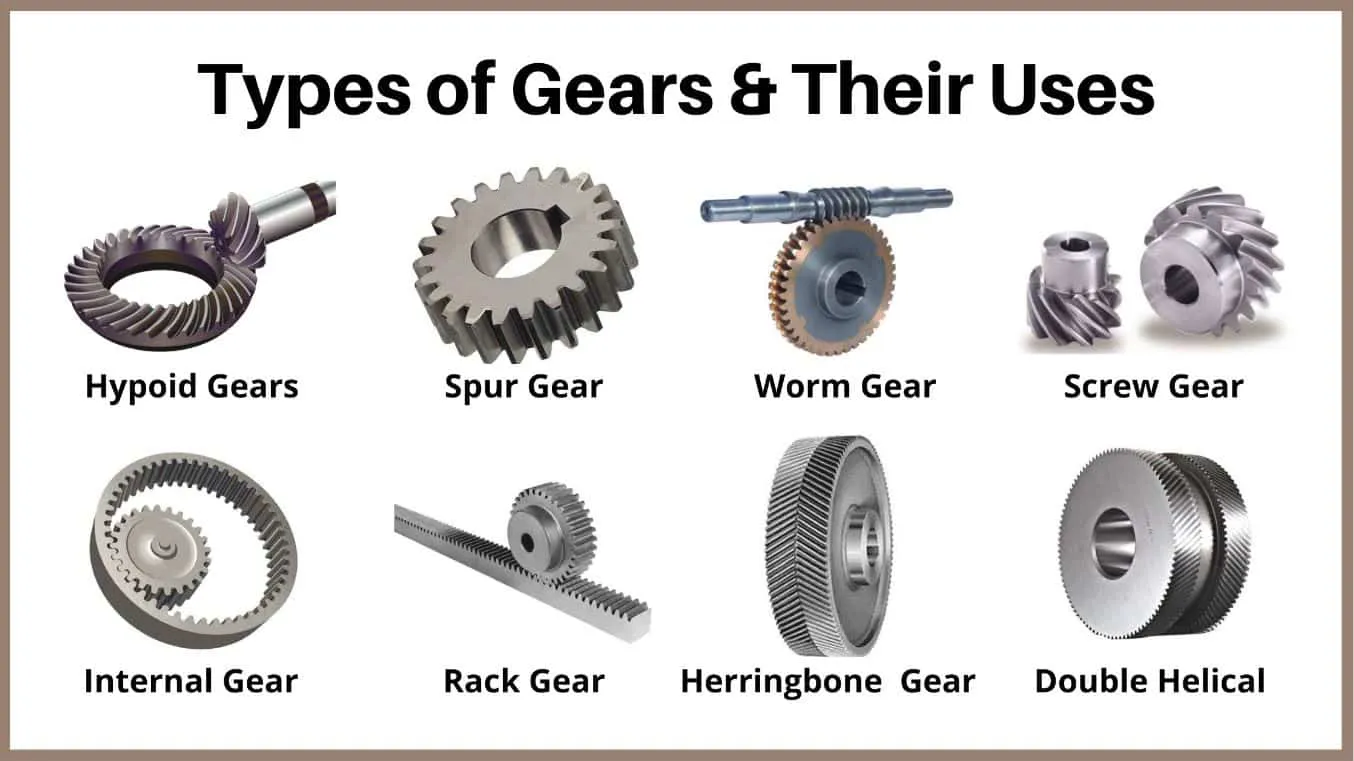
Maintaining Forging Bevel Gears for Maximum Service Life
Forged bevel gears deliver their superior fatigue life only when installed and maintained correctly. The following practices represent the consensus from Australian maintenance engineers across mining, automotive, and agricultural sectors.
- Lubrication: Use ISO VG 220–460 EP gear oil with an extreme pressure additive package. Forged carburised gears operating at high contact pressures require EP lubrication to prevent adhesive wear (scuffing). Change oil at 2,000–4,000 hours or annually, shortening this interval by 30% in high-ambient-temperature Australian summer conditions.
- Replace spiral bevel pairs together: Forged spiral bevel gears are lapped as matched pairs. Never fit a new forged gear against a worn mating member — the contact pattern will be incorrect from the first revolution, accelerating tooth surface fatigue. Budget for paired replacement from the outset of scheduled maintenance planning.
- Tooth contact pattern verification: Use engineer's blue at each major overhaul to verify the contact ellipse position and size. For forged spiral bevel gears, the contact patch should cover 65–70% of tooth length, centred on the flank. Edge loading indicates housing misalignment or bearing deterioration.
- Monitor for micro-pitting: Forged carburised gears with surface hardness of 58–62 HRC are susceptible to micro-pitting (frosting) under high cycle counts if lubrication is marginal. Inspect tooth flanks under 10× magnification at each 5,000-hour inspection. Fine grey mottling on the pitch line area warrants immediate oil quality review and load analysis.
- Bearing preload maintenance: Forged bevel gears are sensitive to mounting distance changes caused by bearing wear. Loss of 0.1 mm preload shifts the tooth contact patch by approximately 20% of tooth length. Check and restore preload at each planned overhaul to maintain the contact geometry that was optimised during lapping.
Forging Bevel Gear Pricing: A Realistic Guide for Australian Procurement
Forging bevel gear pricing depends on forging method, module, material, volume, and whether tooling already exists. The table below provides orientation for budget planning, with figures applicable to mid-range industrial spiral bevel gear pairs.
Indicative figures for M6–M10 alloy steel forged spiral bevel pairs. Tooling costs apply for new forging die development (typically AUD $8,000–$35,000 depending on size); amortised across the production volume. Contact Australia Ever-Power for firm quotation.
Why Australian OEMs and Maintenance Teams Choose Australia Ever-Power
Australia Ever-Power operates as a bevel gear specialist from 27 Harley Crescent, Condell Park NSW 2200, serving manufacturers across Sydney, Melbourne, Brisbane, Perth, and Adelaide. The focus on bevel gears specifically means the team brings application knowledge — not just catalogue numbers — to each inquiry.
Hot, Cold & Compound Forging
All three forging methods available. Engineering team selects the optimal process for your volume, dimensional requirements, and material — not a one-size approach.
Full NDT and Material Documentation
Non-destructive testing, dimensional CMM report, hardness test record, heat treatment certificate, and material traceability supplied per order — standard for automotive, mining, and wind energy procurement requirements.
Express National Delivery
DHL and UPS deliver to Sydney, Melbourne, Brisbane, Perth, and Adelaide within 3–7 business days from dispatch. Custom forged pairs dispatched within agreed production lead time.
OEM / ODM with Small Batch Availability
Prototype pairs from 1 unit for design validation. Production orders from 50 pieces. Full OEM branding, custom alloys, special coatings, and non-standard tooth profiles accommodated.
ISO 9001:2015 Certified Supply Chain
Quality management certification covering raw material procurement, forging, heat treatment, machining, inspection, and delivery — the baseline for Australian automotive, mining, and government procurement.
Australian Business Hours Engineering Support
Technical queries on forging method selection, material specification, and tooth geometry answered in AEST/AEDT business hours. No overnight delay for engineering responses.
What Australian Customers Say About Our Forging Bevel Gears
"We upgraded our differential rebuild kits from machined to forged spiral bevel pairs from Australia Ever-Power. Workshop feedback from the field has been consistently positive — the forged sets are running significantly longer before showing any backlash increase compared to the machined units we were using before. At our volume, the price difference per pair is negligible when you factor in the reduced callback rate."
"Our wind turbine maintenance contract in South Australia requires forged 42CrMo spiral bevel gear sets with full material traceability to the mill certificate. Australia Ever-Power provides that complete documentation package as standard — no chasing, no supplements. The gears themselves have performed without issue across three scheduled inspections, which is exactly what we need for a 20-year asset life scenario."
"We manufacture agricultural harvester gearboxes in Queensland and switched to forged straight bevel gears for our PTO drive units two seasons ago. The improvement in field reliability has been real — we've had almost no tooth failure returns compared to the machined sets we previously used in harsh, abrasive conditions. Four stars rather than five only because initial tooling development took slightly longer than estimated."
"We needed forged stainless bevel gears for our marine auxiliary machinery on offshore platform support vessels. Australia Ever-Power provided 316 stainless forged sets with full NDT documentation, which our Lloyd's surveyor accepted without any queries. The team's knowledge of marine specification requirements was immediately apparent — they asked the right questions about sterilisation compatibility and saltwater exposure before quoting, which saved a lot of back-and-forth."
Frequently Asked Questions — Forging Bevel Gears
Sustainability, Regulatory Compliance, and Global Supply Context
Forging bevel gears align well with sustainability objectives in two concrete ways. First, the forging process removes less material from the starting billet than machining from solid bar — reducing steel consumption per gear by 15–30% in typical configurations. Second, longer service life means fewer replacement cycles over the asset's operational period — reducing the embedded carbon in drivetrain component supply over time.
Quality management certification across forging, heat treatment, machining, and inspection — prerequisite for most Australian OEM and government supply chains.
Hazardous substance declarations available for all alloy and surface treatment materials — required for Australian OEMs exporting to EU or regulated Asian markets.
Full material traceability and fatigue life documentation for wind turbine gearbox components — supporting Australian renewable energy asset compliance frameworks.
All alloy steel forged bevel gears are fully recyclable at end-of-service — supporting Australian corporate sustainability reporting under GRI or CDP frameworks.
Global Supply Context: Forging bevel gears are produced and consumed predominantly in the world's major automotive, mining, and renewable energy manufacturing centres — China, Germany, United States, Japan, South Korea, India, and Brazil. Australia imports the majority of its forged bevel gear requirements. Australia Ever-Power sources from ISO-certified forging facilities and applies independent quality verification, giving Australian buyers access to competitive global pricing with local technical oversight, Australian documentation standards, and express delivery to all major cities.
Source Precision Forging Bevel Gears for Your Australian Operation
Contact Australia Ever-Power at 27 Harley Crescent, Condell Park NSW 2200. We supply ISO-certified forging bevel gears — straight and spiral, hot and cold forging, all alloys — to automotive, mining, agricultural, wind energy, and marine customers across Sydney, Melbourne, Brisbane, Perth, and Adelaide.