
What Makes Bevel Gears So Widely Applicable?
Bevel gears are uniquely engineered to transmit rotational force between two intersecting shafts — most commonly at a 90-degree angle, though other angles are entirely possible. This geometry solves a fundamental challenge in mechanical design: how do you efficiently redirect power around corners without sacrificing speed, torque, or precision?
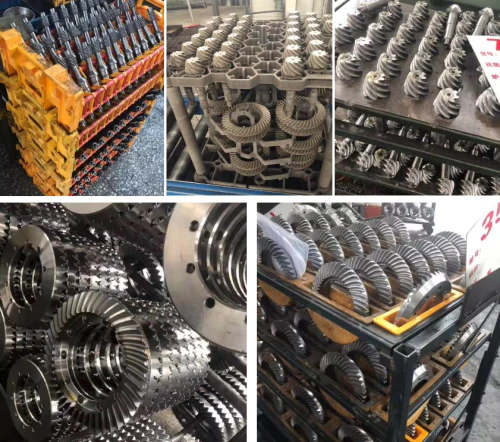
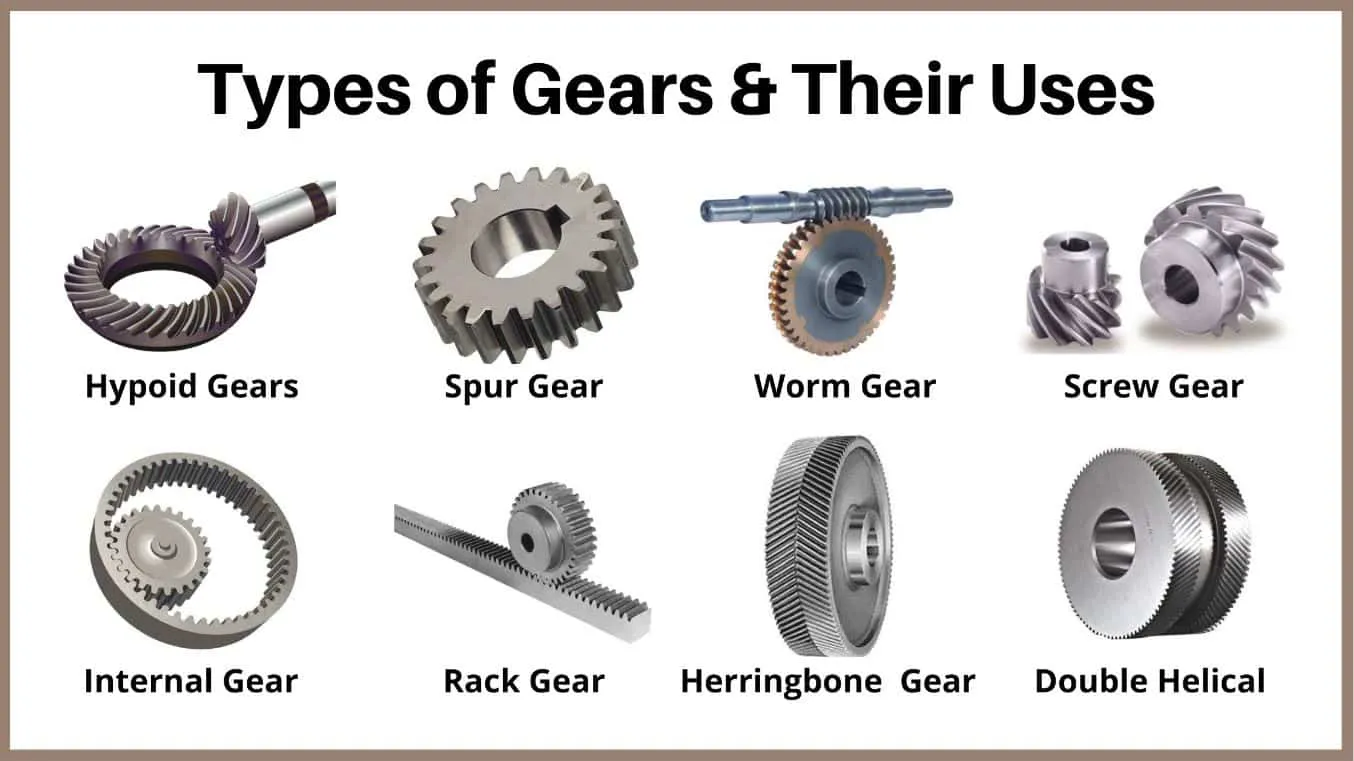
The answer lies in the conical tooth profile. Whether you’re working with straight bevel gears, spiral bevel gears, hypoid gears, or zerol bevel gears, each variant offers a distinct mechanical advantage suited to specific load, speed, and noise requirements. Straight bevel gears handle moderate loads at lower speeds cleanly and economically. Spiral bevel gears distribute tooth load across a broader contact area, enabling quieter, higher-speed operation. Hypoid gears offset shaft axes for compact arrangements like rear-axle differentials. Zerol bevel gears marry the smooth operation of spiral designs with the axial-thrust characteristics of straight-cut teeth.
At Australia Ever-Power, based in Condell Park NSW 2200, our engineering team supplies bevel gears across more than 15 industries throughout Australia and the Asia-Pacific region. The following sections break down exactly where and why these components are deployed, with practical detail that goes well beyond surface-level descriptions.
1. Automotive Industry
Differentials and Drive Axles
The automotive differential is perhaps the single most recognized bevel gear application in everyday life. Inside a rear-wheel or four-wheel drive system, a ring-and-pinion arrangement — often using spiral bevel or hypoid gears — allows the two driven wheels to rotate at different speeds when cornering. Without this mechanism, tires would scrub violently through every turn. The hypoid design is particularly favored here because offsetting the pinion shaft below the ring gear’s centreline lowers the driveshaft, reducing the floor tunnel intrusion inside the vehicle cabin while simultaneously increasing tooth contact area for better load distribution.
Four-Wheel Drive Transfer Cases
In 4WD transfer cases, bevel gears split torque between the front and rear axle assemblies. The geometry must handle sudden load spikes — think off-road rocks or tow-load shock — while remaining compact within a tight casing. Spiral bevel gears dominate this application because their curved tooth profile provides the gradual load engagement needed to protect both the gear set and the drivetrain components upstream. Australian mining vehicles, agricultural machinery, and heavy-duty utes rely heavily on robust bevel gear differentials manufactured to exacting tolerances.
2. Mining and Heavy Equipment
Australia’s mining sector — one of the world’s most demanding operating environments — places extraordinary stress on power transmission components. Bevel gears appear inside tunnel boring machines, continuous miners, conveyor drive heads, rotary drill rigs, and haul truck axles. The combination of extreme torque loads, vibration, dust ingress, and thermal cycling creates a specification challenge that only precision-manufactured bevel gears can meet reliably.
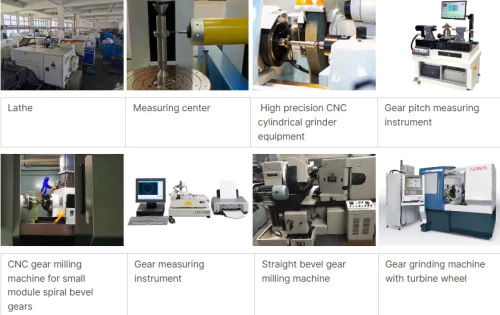
In longwall mining equipment, for example, the shearer cutting drum must receive power at a right angle from the main drive motor mounted along the machine body. Spiral bevel gearboxes transmit this power efficiently while absorbing the constant shock loading from the cutting face. Materials selection is critical here: case-hardened alloy steels with surface hardness in the 58–62 HRC range are standard, combined with precision grinding to achieve tight tooth profile tolerances that maximize load-sharing across the full face width.
Ever-Power supplies replacement and OEM-equivalent bevel gear sets to several Queensland and Western Australian mining operations, with units engineered to match or exceed original equipment specifications. Rapid turnaround on custom gear sets minimizes costly equipment downtime in remote site locations.
3. Agriculture and Farming Machinery
Agricultural machinery presents a fascinating cross-section of bevel gear applications. The power take-off (PTO) shaft on a tractor delivers rotational energy at a fixed angle to implements like rotary tillers, mowers, hay balers, and spreaders. Inside these implements, bevel gearboxes redirect that PTO power through 90 degrees to drive cutting blades, spreading discs, or conveyor systems. Straight bevel gears are commonly used in lower-speed tilling attachments where simplicity and serviceability in the field are paramount. Spiral bevel gear sets appear in higher-speed mower decks and combines where noise and smooth load transfer are priorities.
Seasonal usage patterns create unique maintenance challenges: bevel gears in agricultural applications often sit idle for months, then experience sudden full-load operation during harvest or planting seasons. Proper lubrication with EP (extreme pressure) gear oils, correct preload settings on tapered roller bearings, and flank clearance inspection before seasonal startup are all essential practices to avoid unexpected failures during peak operational periods.
4. Marine and Shipbuilding
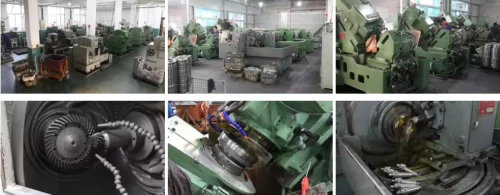
Marine propulsion systems rely on bevel gears to connect engine output shafts (which run fore-aft along the vessel hull) to propeller shafts (which must angle downward through the hull). Angle gearboxes using spiral bevel gear sets are found in stern drives, Z-drives, and azimuth thrusters. These units must handle not only continuous high torque but also the dynamic load variations caused by wave action, cavitation events, and sudden throttle changes.
Corrosion resistance is a defining material requirement in marine environments. Bronze alloy and stainless steel bevel gears appear in smaller craft and sailboat furling systems, while larger commercial vessels use nitrided or coated alloy steel gear sets inside sealed oil-bath housings. The Australian maritime industry, spanning commercial fishing fleets, offshore supply vessels, and recreational boating, represents a substantial demand segment for corrosion-resistant bevel gear solutions supplied by regional specialists like Ever-Power.
5. Aerospace and Defence
Aerospace applications represent the apex of bevel gear engineering. Helicopter gearboxes — among the most complex rotating assemblies ever designed — use multiple stages of bevel gears to convert high-speed turbine output into the lower-speed, high-torque rotation required by the main and tail rotors. Weight is a defining constraint: gears are manufactured from ultra-high-strength aerospace steels or titanium alloys, with every tooth surface ground and superfinished to minimize friction losses and heat generation at operating speeds that can exceed 20,000 RPM.
Beyond rotorcraft, bevel gears appear in aircraft actuation systems (flap and slat drives), spacecraft deployment mechanisms, missile steering assemblies, and naval gun turret drives. Defence procurement in Australia, governed by CASG (Capability Acquisition and Sustainment Group) standards, demands full material traceability, conformance testing, and documentation packages that civilian supply chains rarely require. Ever-Power maintains quality management practices aligned with these expectations for defence-adjacent supply requirements.
6. Food and Beverage Processing
The food processing industry imposes one of the most demanding regulatory environments on mechanical components. Bevel gears used inside mixing equipment, filling machines, conveyor transfers, and meat processing lines must meet stringent hygiene standards. In Australia, food-grade gearboxes are required to comply with FSANZ (Food Standards Australia New Zealand) guidelines, which mandate the use of NSF H1-registered lubricants, smooth external surfaces that resist bacterial harbourage, and materials that withstand frequent washdown cycles with caustic cleaning agents.
Stainless steel bevel gears are the dominant material choice for direct food-contact applications. Industrial mixers — both planetary and agitator types — use bevel gearboxes to redirect motor power to the mixing element at the required angle. Large-scale bakery equipment, dairy processing lines, and beverage bottling plants all incorporate bevel gear stages at critical motion direction change points. Sealed, maintenance-free designs are increasingly preferred to reduce contamination risk and cleaning downtime.
7. Power Generation and Wind Energy
Wind turbine nacelles contain sophisticated gearbox assemblies that step up the slow rotor rotation (typically 10–20 RPM) to the 1,000–1,800 RPM range required by the generator. While the primary transmission stages often use planetary gear sets, bevel gear stages appear in yaw drives (which rotate the nacelle to face the wind) and pitch drives (which adjust blade angle). These are precision spiral bevel gear sets engineered for decades of fatigue life under variable cyclic loading — a challenge that demands both sophisticated tooth profile design and rigorous material specifications.
Conventional power generation also uses bevel gears extensively: hydroelectric turbine governors, gas turbine accessory drives, and generator cooling fan drives all incorporate bevel gear stages. Australia’s growing renewable energy sector — particularly the expanding wind farm development in South Australia, Victoria, and Western Australia — creates ongoing demand for high-quality bevel gear components that can be serviced and replaced efficiently in remote locations.
8. Construction and Civil Engineering Equipment
Excavators, cranes, concrete mixers, compactors, and road planers all depend on bevel gears to manage the complex motion requirements of construction work. Crane slewing rings, for example, use large-diameter ring gears mating with bevel pinions to rotate the entire boom assembly. Concrete mixer drums are driven through bevel gearboxes that maintain constant rotation under the variable load of the tumbling mix. Track-driven equipment like excavators and bulldozers uses bevel gears in the final drive assemblies connecting the main reduction gearbox to the drive sprockets.
The construction sector’s bevel gear requirements are characterized by high shock loads, abrasive environments, and the need for robust serviceability. Gears must withstand sudden load reversals, impact from hard ground materials, and contamination from concrete, mud, and grit. Nitrided and case-carburized alloy steel gears with AGMA Class 10 or better precision are typical specifications in this segment.
9. Medical and Surgical Equipment
Medical applications represent a niche but highly exacting segment for miniature bevel gears. Surgical robots like the da Vinci system incorporate micro bevel gear stages within the instrument wrist assemblies, enabling multi-axis tool articulation through a minimally invasive entry port. Dental drill handpieces use tiny bevel gears to redirect the turbine drive to the cutting bur. CT scanner gantry drives, MRI patient table positioning systems, and radiotherapy treatment couches use precision bevel gear sets to achieve the smooth, repeatable motion required for accurate patient positioning.
Materials in medical bevel gears are selected for biocompatibility and sterilizability: stainless steel, titanium, and PEEK (polyether ether ketone) plastic are common choices. Noise and vibration levels must be minimized to avoid patient distress and interference with sensitive diagnostic equipment. Tight backlash control — often 0.01–0.05 mm — is critical for positioning accuracy in robotic surgery and radiation therapy applications.
10. Rail and Transportation Infrastructure
Rail locomotives and electric multiple units (EMUs) use bevel gear stages within their traction gearboxes to transfer motor power to the wheel axle at the correct orientation. In bogie-mounted drive systems, the motor and gearbox package must fit within tight spatial constraints while delivering thousands of Newton-metres of torque to the axle. Spiral bevel gears are preferred for traction gearboxes due to their high load capacity and quiet operation — reducing cabin noise is increasingly important in modern passenger rail design.
Beyond locomotive drives, bevel gears appear in escalator drives, airport people-mover systems, cable car drives, and level crossing barrier mechanisms. Australia’s urban rail expansion programs in Sydney, Melbourne, and Brisbane are driving sustained demand for traction gearbox components and maintenance spares. The long service life targets (30+ years) of rail equipment make material quality and manufacturing precision particularly critical investments.
11–15. Additional Industry Applications
Oil & Gas
Rotary drill table drives, pump jack crank mechanisms, and valve actuators all use bevel gear sets. Offshore platform equipment demands sealed, corrosion-resistant designs with proven reliability in H₂S environments.
Printing & Packaging
Web offset printing presses use precision bevel gears to maintain registration between print cylinders running at high speed. Packaging line case erectors and folder-gluers incorporate bevel gearboxes at fold head drive points.
Machine Tools
Milling machine heads, radial drilling machines, and boring mills use bevel gears to transmit spindle drive through angular changes in the quill assembly. Mitre gears provide equal ratio 1:1 direction changes in tooling setups.
Water & Wastewater
Sluice gate actuators, pump station drives, and aeration equipment impeller drives use bevel gears in sealed housings resistant to the corrosive, humid environments of treatment plant infrastructure.
Amusement & Leisure
Theme park ride drive systems, golf cart differentials, electric scooter final drives, and fitness equipment resistance systems all incorporate bevel gear stages for compact, reliable directional power transmission.
Matching Bevel Gear Type to Your Application
| Gear Type | Best For | Avoid When | Typical Industries |
|---|---|---|---|
| Straight Bevel | Low-to-medium speed, simple setups | High speed, noise-sensitive | Agriculture, machine tools |
| Spiral Bevel | High speed, heavy load, quiet operation | Ultra-tight space, very slow speeds | Automotive, mining, aerospace |
| Hypoid | Offset shafts, maximum tooth contact | Non-offset shaft configurations | Automotive differentials, conveyors |
| Zerol Bevel | No axial thrust, precision indexing | Very high-torque continuous duty | Instrumentation, medical, aerospace |
| Mitre Gears | 1:1 ratio right-angle drives | Speed ratio changes required | Machine tools, printing, packaging |
What Our Customers Say
“We replaced the spiral bevel set in our excavator final drive with Ever-Power units six months ago. Zero issues under tough WA red-dirt conditions — exactly the reliability we needed.”
“Our food-grade mixer bevel gearbox was a non-standard size. Ever-Power’s team reverse-engineered the specs and delivered a stainless steel replacement within three weeks. Exceptional service.”
“The PTO bevel gearboxes on our hay balers have outlasted two previous suppliers’ units. The case-hardening quality is noticeably superior — our seasonal pre-check inspection times have dropped significantly.”
“For our wind farm yaw drive overhauls, we need gears with full material certs and traceability. Ever-Power provided everything we asked for, on time, at a price well below the OEM quote.”
Frequently Asked Questions
What industries use bevel gears most frequently?
Can bevel gears transmit power at angles other than 90 degrees?
What is the difference between spiral bevel and hypoid gears?
Are bevel gears suitable for food processing equipment?
How long do bevel gears typically last in industrial applications?
What is a mitre gear, and how does it differ from a standard bevel gear?
Can bevel gears be used in high-speed applications?
What is the maximum bevel gear ratio practically achievable?
How do I select the right bevel gear material for my application?
Where can I source replacement bevel gears for obsolete equipment in Australia?
Need Bevel Gears for Your Industry?
Australia Ever-Power engineers and supplies bevel gear solutions across every sector described in this guide. Contact our Condell Park NSW team for specifications, pricing, and fast lead times.